
2nd Oct 2026
Glock Barrels Explained: OEM vs. Aftermarket Glock Barrels
Glock Barrels Explained: OEM vs. Aftermarket
Glock Barrels, Understanding Your Options
Few firearm upgrades generate as much discussion as Glock barrels. Whether you're replacing a worn component, building a custom pistol, or researching a threaded barrel for a specific application, understanding the differences between OEM and aftermarket Glock barrels can help you make an informed decision.
Because Glock pistols have one of the largest aftermarket ecosystems in the firearms industry, owners have no shortage of barrel options. From factory replacement barrels to match-grade and threaded models, each serves a different purpose depending on how the pistol will be used.
What Is an OEM Glock Barrel?
An OEM Glock barrel is manufactured by Glock to the company's original specifications. These barrels are engineered to deliver the reliability, durability, and consistent performance Glock pistols are known for.
Many Glock owners choose OEM replacement barrels because they provide factory fitment without requiring modifications. Glock also notes that it does not recommend altering pistols with aftermarket parts, as modifications can affect function, safety, and warranty coverage.
OEM barrels are commonly selected when the goal is to:
- Replace an original barrel
- Maintain factory specifications
- Preserve reliability
- Keep a defensive or duty firearm close to its original configuration.
What Is an Aftermarket Glock Barrel?
An aftermarket Glock barrel is manufactured by a third-party company rather than Glock itself. These barrels are often designed to provide additional features or customization options that differ from standard factory components.
Depending on the manufacturer, aftermarket Glock barrels may offer:
- Match-grade machining
- Threaded muzzle options
- Stainless steel construction
- Black nitride or specialty finishes
- Fluted or spiral-fluted designs
- Cosmetic enhancements.
For many Glock owners, aftermarket barrels are less about replacing a worn barrel and more about tailoring the pistol to a specific application or personal preference.
OEM vs. Aftermarket Glock Barrels
The decision between an OEM Glock barrel and an aftermarket Glock barrel depends largely on how the firearm will be used.
OEM Glock Barrels
Factory barrels are generally chosen for:
- Everyday reliability
- Defensive use
- Factory fit and function
- Drop-in replacement.
Many experienced Glock owners continue to favor OEM barrels because they are engineered around Glock's original design specifications and have a long-standing reputation for dependable performance.
Aftermarket Glock Barrels
Aftermarket barrels may appeal to shooters looking for:
- Threaded barrel configurations
- Custom finishes
- Match-grade tolerances
- Unique aesthetics
- Specialized shooting applications.
The quality of aftermarket barrels varies significantly by manufacturer, making research and compatibility especially important before purchasing.
Why Upgrade Glock Barrels?
While many Glock owners are perfectly satisfied with factory barrels, others choose upgrades for practical or cosmetic reasons.
Common reasons include:
- Replacing a damaged or worn barrel
- Installing a threaded barrel
- Building a custom Glock
- Personalizing the firearm's appearance
- Matching other aftermarket components.
It's worth remembering that replacing a barrel does not automatically improve accuracy. Many experienced shooters note that Glock factory barrels already deliver excellent practical accuracy for most applications.
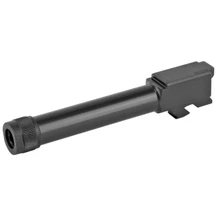
Threaded Glock Barrels
One of the most common reasons shooters search for a Glock barrel is the availability of threaded models.
Threaded barrels are often selected for:
- Certain muzzle devices where lawful
- Competition builds
- Recreational range setups
- Firearm customization.
When selecting a threaded barrel, it is important to verify:
- Thread pitch
- Glock model compatibility
- Generation compatibility
- Local and state regulations.
Even Glock offers factory threaded barrels for select models, though aftermarket manufacturers provide a much broader selection.
Glock Barrel Compatibility
Not every Glock barrel fits every Glock pistol.
Before purchasing replacement Glock barrels, verify:
- Model number
- Caliber
- Generation
- Barrel length
- Intended application.
For example, while several Glock 19 generations share similar barrel dimensions, certain Glock 17 generations require generation-specific barrels due to design changes. Compatibility should always be confirmed before ordering replacement parts.
Choosing the Right Glock Barrel
When comparing Glock barrel options, consider how you primarily use your firearm.
Questions to ask include:
- Is this a carry pistol?
- Is it primarily used at the range?
- Am I replacing an existing barrel?
- Do I want factory specifications or additional customization?
- Is a threaded barrel necessary?
Answering these questions can help narrow the selection and ensure the barrel matches both the firearm and its intended purpose.
Which Is Your Glock Barrel?
Whether you're considering an OEM replacement or researching aftermarket Glock barrels, understanding the differences between factory and third-party options is the first step toward making an informed decision.
For many owners, OEM Glock barrels remain the benchmark for factory reliability, while aftermarket barrels offer additional customization, finishes, and threaded configurations that appeal to enthusiasts building a personalized firearm. Regardless of the option you choose, selecting a barrel designed specifically for your Glock model and generation is essential for proper fit and function.
FAQ Section
What is an OEM Glock barrel?
An OEM Glock barrel is manufactured by Glock to the company's original factory specifications and is designed to provide factory fit, reliability, and performance.
Are aftermarket Glock barrels worth it?
Aftermarket Glock barrels can offer additional features such as threaded muzzles, specialty finishes, or match-grade construction. Whether they're worth it depends on the shooter's intended use and preferences.
Do all Glock barrels fit every Glock model?
No. Glock barrels vary by model, caliber, and generation. Always verify compatibility before purchasing a replacement barrel.
What is the difference between OEM and aftermarket Glock barrels?
OEM barrels are built to Glock's original specifications, while aftermarket barrels are produced by third-party manufacturers and often include additional features, finishes, or customization options.